"We want more visitors, but we don't know where to start." "We'd like to attract people from the Tokyo area." If you work for a local government or tourism board, these are probably familiar problems.
Motorcycle touring events are a surprisingly powerful answer. For riders, the riding itself is the point — which means they willingly travel long distances from major cities out to rural areas, spending money at local restaurants, accommodation and petrol stations along the way.
This article sets out how a municipality can use motorcycle touring events to revitalise its region, drawing on motiv's own experience running the Okumikawa Omotenashi Meeting, an event that has grown to over 450 participants.
Five reasons touring events work for regional revitalisation
1. Riders cover a lot of ground Unlike drivers, riders are there for the journey rather than the destination. That means they naturally explore beyond the venue itself — nearby viewpoints, restaurants and scenic spots. Surveys suggest a rider stops at three to five places over a day's touring, so the economic benefit spreads across the whole area rather than concentrating at one site.
2. They are unusually active on social media The riding community posts constantly: the scenery, the food, the bikes lined up at the event. A single motiv event can generate 200 or more posts from participants — exposure that would cost hundreds of thousands of yen to buy as advertising.
3. They come back Riders tend to adopt a route they enjoyed as a regular favourite. "That road was a joy to ride" or "the curry at that shop was excellent" is often all it takes to bring someone back again and again.
4. Rural areas have the advantage The countryside is genuinely more appealing to riders than the city: open roads with few traffic lights, unspoilt scenery, regional food you can't get elsewhere. The pleasure of riding is something rural areas can offer and cities simply cannot — which makes rural municipalities a natural fit for these events.
5. You can spread visitors across the seasons Cherry blossom, fresh green, autumn colour — planning events around each season lets you distribute visitors through the year. Scheduling one during your quiet season helps smooth out demand.
Estimating the impact: how much does one rider spend locally?
Here is what the economic impact looks like in concrete numbers.
■ Average spend per rider (day trip) • Petrol bought locally: ¥1,000–2,000 • Food and drink: ¥1,500–3,000 • Souvenirs: ¥500–2,000 • Other (parking, entry fees, etc.): ¥500–1,000 Total: roughly ¥3,500–8,000 per person
■ For an event of 450 people Even at the lowest figure, ¥3,500 × 450 riders means over ¥1.57 million flowing directly into the local economy. Add the secondary effect of social media exposure and the long-term value of repeat visitors, and the return on investment is high.
■ When the event includes an overnight stay If participants travelling from further afield stay the night before or after, accommodation (¥5,000–15,000) is added on top and the impact grows considerably. motiv deliberately schedules some events for the afternoon to encourage visitors from distant regions to arrive the previous evening.
Case study: the 7th Okumikawa Omotenashi Meeting
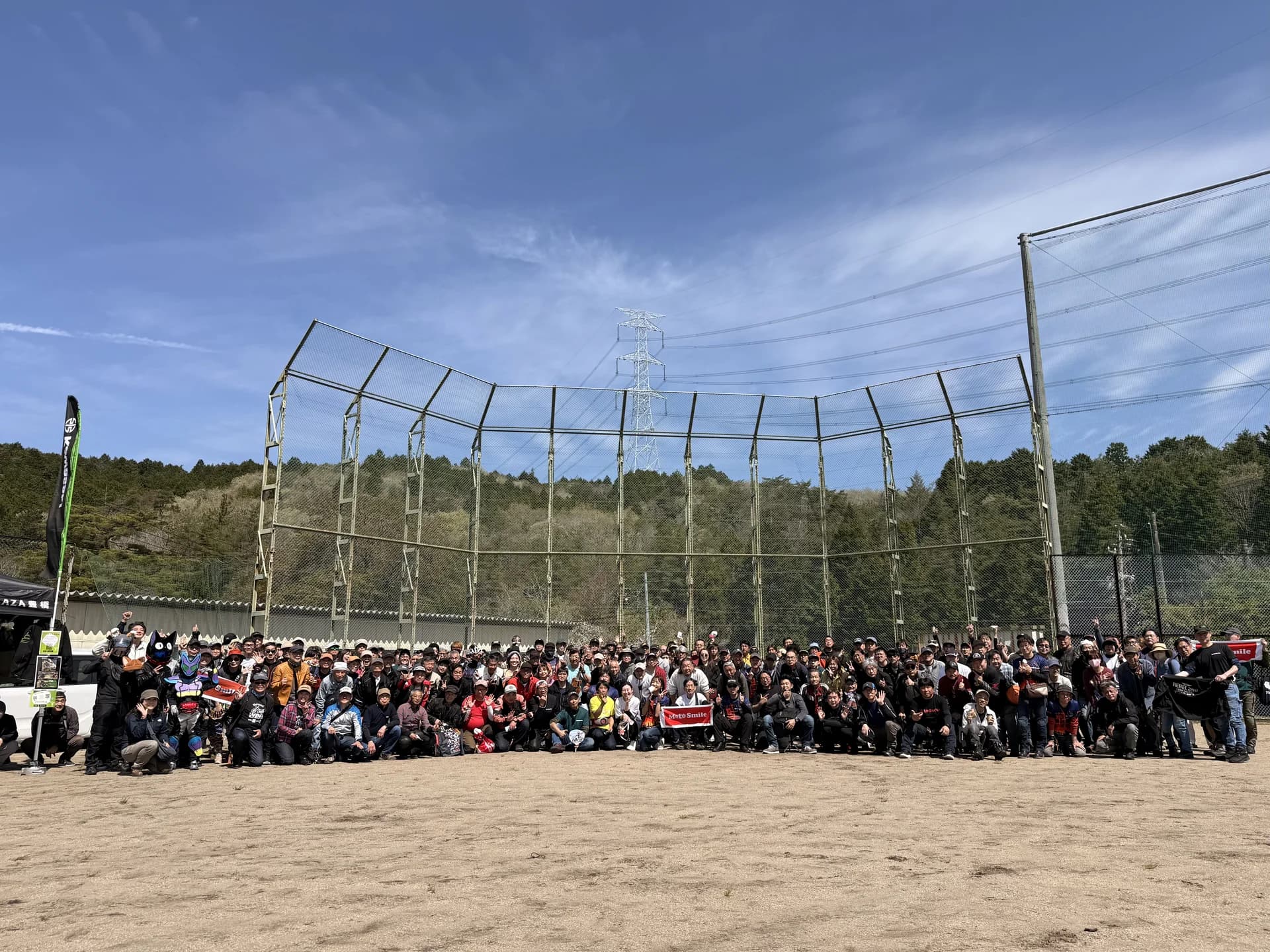
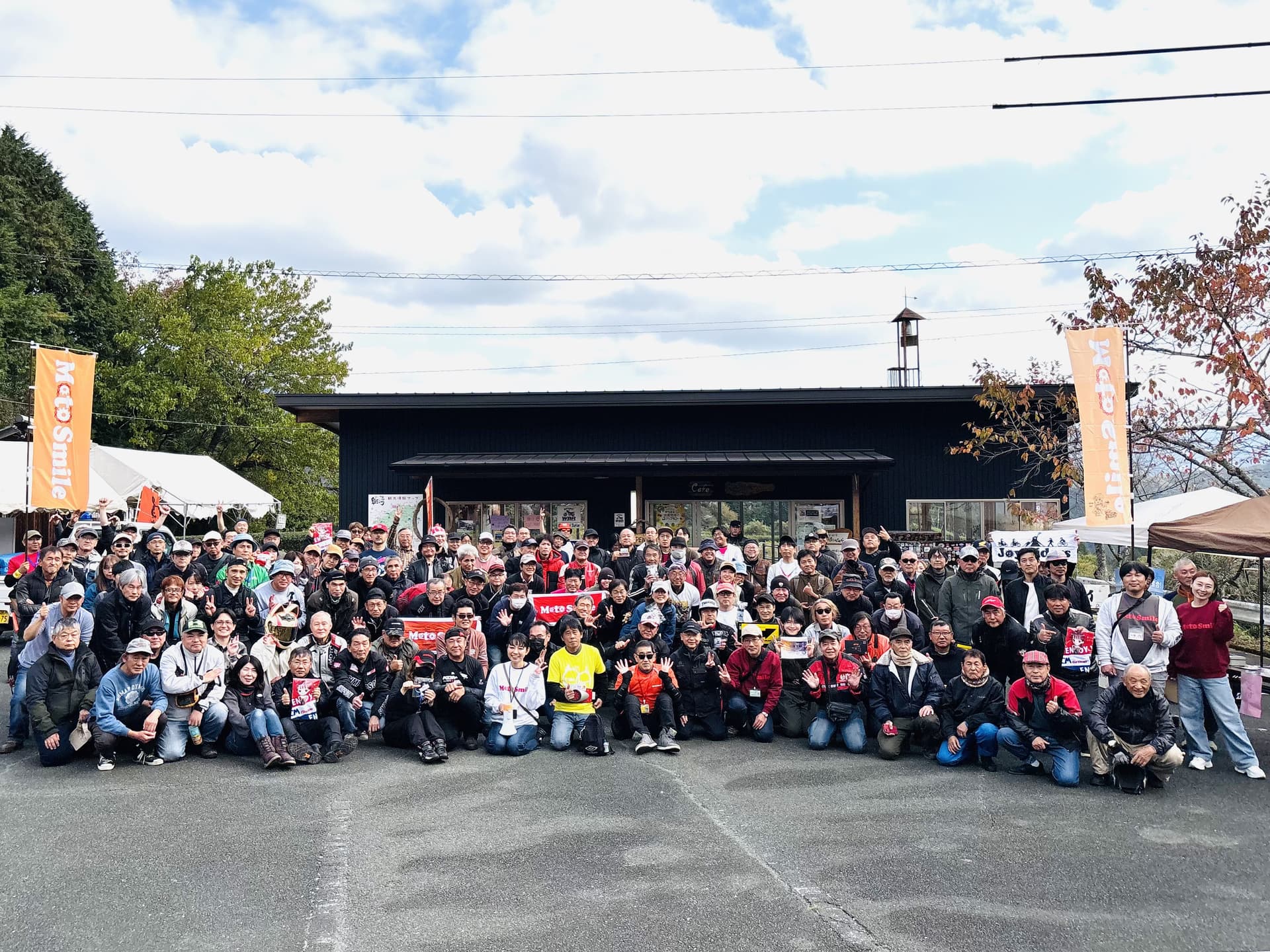
The Okumikawa Omotenashi Meeting is a motorcycle event motiv runs regularly in the Okumikawa area of Aichi Prefecture. The seventh edition, held in Shinshiro City, drew more than 450 participants — the largest turnout so far.
■ At a glance • Date: April 2026 (Sunday), 10:00–13:00 • Venue: A public facility car park in Shinshiro City • Participants: 450+ • Exhibitor stalls: 15+ • Media partner: the motorcycle magazine Tansha Club
■ Success factor 1: choosing the right time of day Starting at 10am left riders with the rest of the day to explore Okumikawa, which pushed spending out into the wider region rather than keeping it at the venue. We also shared a model route on social media — event in the morning, soba for lunch in Shitara, an afternoon ride through Mount Horaiji — which encouraged people to tour the area.
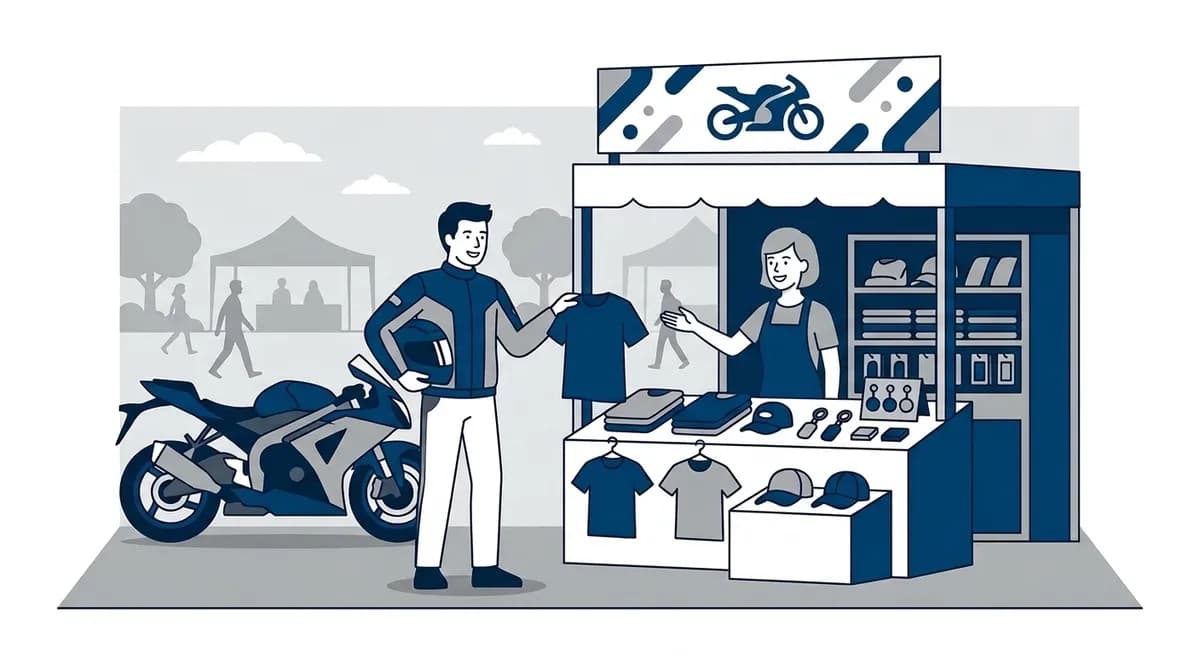
■ Success factor 2: working closely with local businesses Food trucks, a pop-up stand from a local wagashi confectioner, souvenir sales, regional PR booths: the programme was built so visitors could experience what the area does well. Stallholders consistently tell us that motorcycle event crowds are ready to spend, and the number of businesses asking to take part grows with every edition.
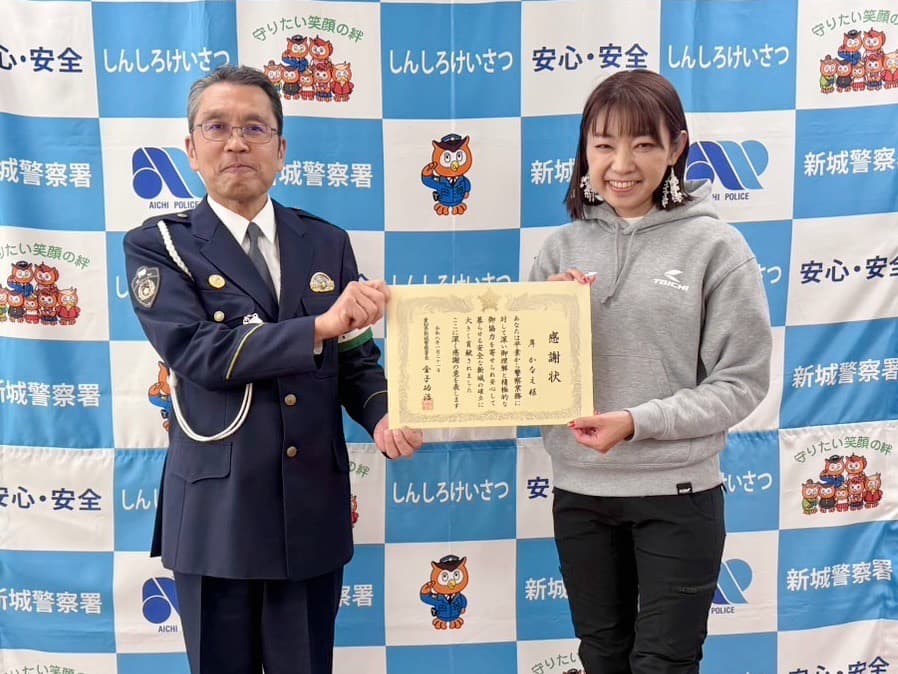
■ Success factor 3: coordinating with police and local government We worked through the traffic and safety plan in advance with Shinshiro City and the local police. The event has been recognised as one that contributes to community safety, and we have received a letter of appreciation from the local force.
■ Success factor 4: building a brand through repetition Seven editions in, Okumikawa has become established among riders across the Tokai region as a destination worth the trip. A large share of each event's attendance now comes from returning participants.
💬 Want to talk through what this article covers?
Our specialists are happy to help — consultations are free.
Five steps for a municipality to launch a touring event
【Step 1】Take stock of what your region already has Start by listing the assets that would appeal to riders. • Roads worth riding (winding mountain routes, coastal roads, forest passes) • Regional food (local ramen, seafood, game dishes and so on) • Hot springs and day-use bathing facilities • History and culture (castle ruins, shrines and temples, old post roads) • Photogenic spots (viewpoints, dams, lighthouses)
【Step 2】Bring the right people on board A successful event depends on cooperation from: • The tourism board, for publicity and outreach • Local shops and restaurants, for stalls and special menus • Police, for traffic safety guidance • Fire and ambulance services, for emergency planning • Accommodation providers, for participant packages • Motorcycle shops, to display flyers and spread the word
【Step 3】Choose a specialist partner Working with a partner who already has the planning, promotion and operations know-how means you can achieve strong attendance and satisfaction from the very first edition. Motorcycle events have their own culture and etiquette, so it matters that the partner knows the industry.
【Step 4】Secure the budget Alongside your tourism promotion budget, it is worth investigating grants and subsidies related to regional revitalisation. Contact the relevant department in your municipality for details.
【Step 5】Run a proper review cycle After the first event, analyse the participant survey and feed it into the next one. motiv produces a detailed results report for every event so that improvements are grounded in evidence.
Frequently asked questions
Won't a motorcycle event cause noise complaints?
 Kanae Kishi
This is manageable with the right venue and clear rules. Choose a site away from housing and state plainly that revving is not permitted. Across seven editions, motiv's events have received zero noise complaints.
How do you manage the risk of accidents?
Kanae KishiThe essentials are a safety briefing beforehand, marshals directing traffic, and event insurance. motiv agrees the traffic plan with the local police in advance of every event.
What sort of budget is needed?
Kanae KishiIt depends on scale, but for 100–200 participants, ¥500,000–1,500,000 is a reasonable guide. Grants can reduce what the municipality itself needs to contribute.
Can events run in winter?
Kanae KishiIn regions without snowfall, yes. Expect attendance to be roughly 30–50% lower than in spring or autumn.
What is the benefit of running it repeatedly?
Kanae KishiEach edition strengthens the event's reputation and makes attendance easier to build. motiv's Omotenashi Meeting grew from 350 participants at the first edition to over 450 by the seventh.
In summary
For a rural municipality, a motorcycle touring event is a cost-effective way to bring people and spending into the region. Riders travel widely and share what they find, so the benefit reaches well beyond the venue itself.
The two things that decide whether it works are a programme built on what your region genuinely does well, and a partner who knows how to deliver it. motiv has planned numerous touring events for municipalities and tourism boards, covering everything from the initial concept through promotion, operations on the day, and the results report afterwards.
If you are wondering whether this could work in your area, we are happy to talk it through and propose an approach suited to your region.